
Three American symphonies in e-minor: the most famous being Dvořák’s Ninth, subtitled from the New World; then came Amy Beach with her ‘European’ reply to, and implied criticism of, Dvořák’s use of African-American and Native Indian materials – her symphony (in e-minor) was subtitled Gaelic.
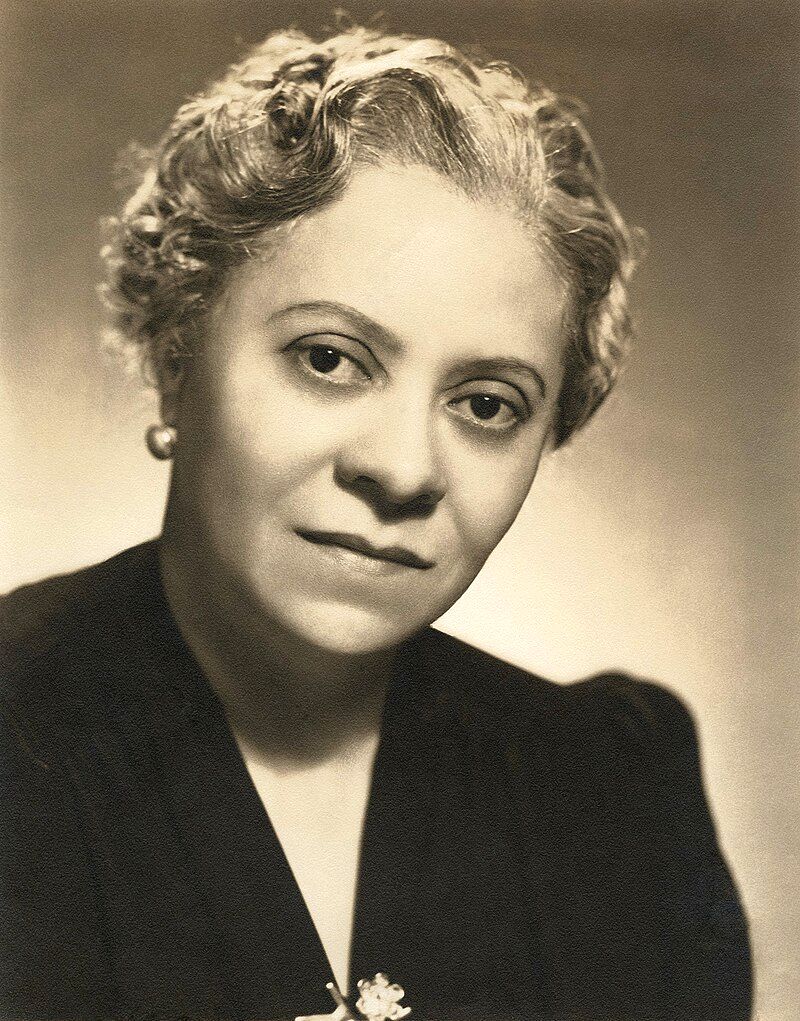
But Dvořák’s American style didn’t just disappear because, in 1933, thirty-nine years after the Czech composer completed his symphony, a third American symphony in e-minor appeared. It was premiered by no less an august body than the Chicago Symphony Orchestra and, with its use of pentatonic themes and plantation dance rhythms (the third movement’s entitles Juba Dance), clearly influenced by the New World Symphony. It was composed by Florence Price, a woman(!!) of African-American heritage(!!!) and was the first of her four symphonies.
The above performance is of only the first movement, the other three movements can be heard via the links below:
2. Largo maestoso
3. Juba Dance
4. Finale: Presto
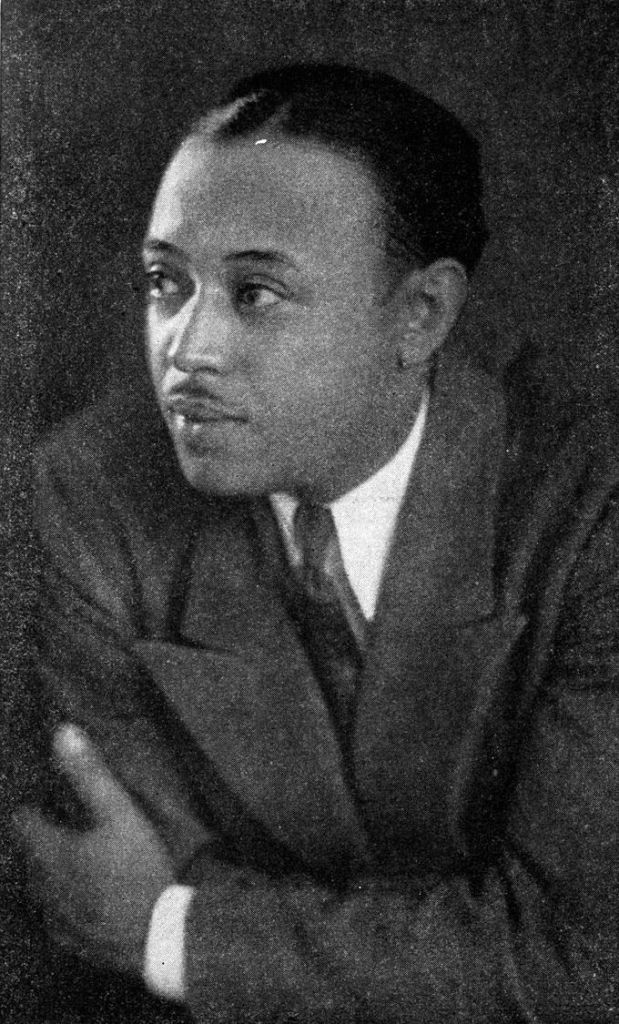
Two years after the first performance of Florence Price’s work the Rochester Philharmonic Orchestra gave the premiere of a work specifically entitled the Afro-American Symphony, its composer, William Grant Still, introduced the blues and elements of popular African-American music into the concert hall for the first time. Each movement has, in addition to tempo indications, a title.
Moderato assai 00:00 [Longing]
Adagio 07:43 [Sorrow]
Animato 13:55 [Humour]
Lento, con risoluzione – Vivace – Maestoso 17:13 [Aspiration]
Any copyrighted material on these pages is included as “fair use”, for the purpose of study, and critical analysis only, and will be removed at the request of the copyright owner(s).
Pantygwydr!
 The Art of Listening