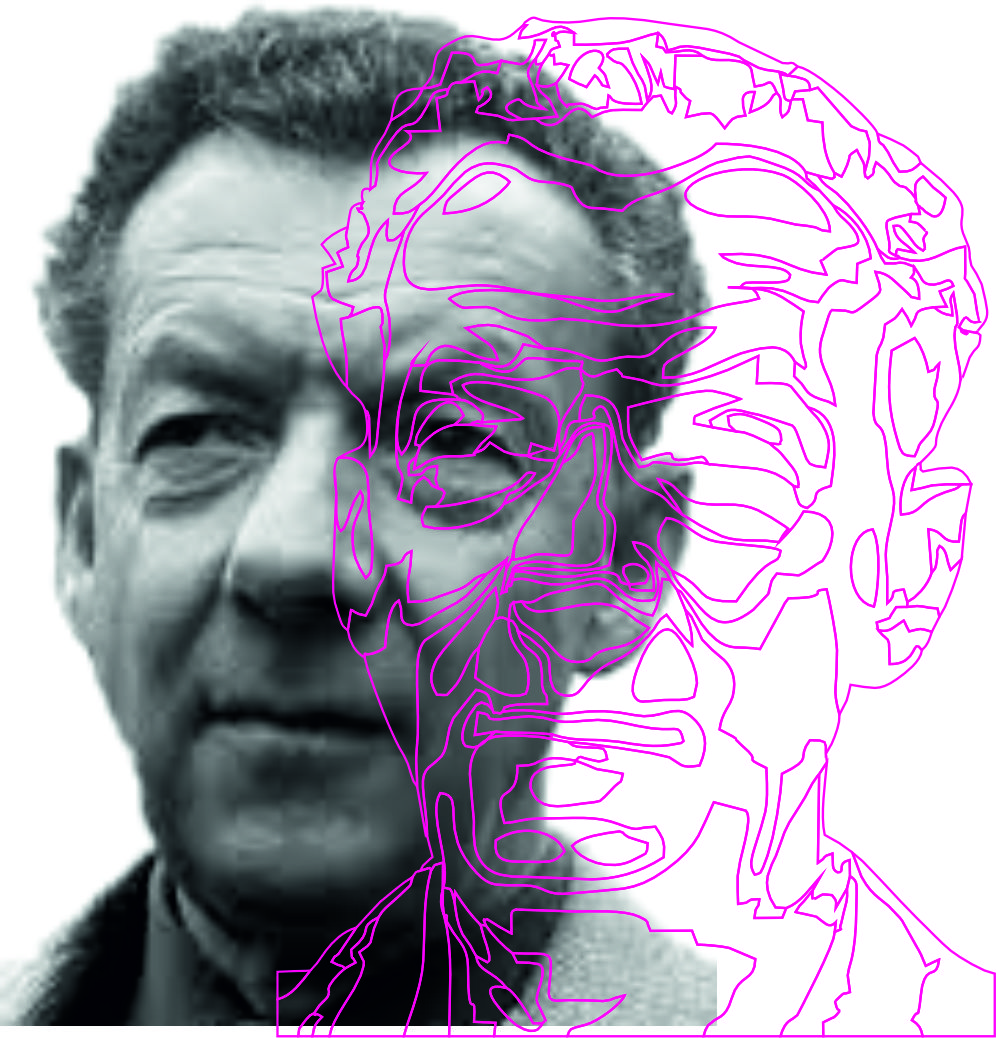
The history of Britten’s Sinfonia da Requiem is anything but illuminating. It was commissioned in 1939 by the Japanese state to aid in the celebrations of the 2600th anniversary of the founding of the Japanese Empire, but the contract didn’t arrive until six weeks before its closing date. So Britten was forced to submit the only work he currently had on the stocks – the three movement Sinfonia da Requiem. The Japanese turned the work down flat since they argued, with some justice, that the Christian titles of the movements weren’t suitable for a non-Christian society, and also that the piece as a whole hardly evinced the spirit of celebration! Then came the attack on Pearl Harbour and no more was said about the matter (though the Japanese never asked for their money back).
Despite its title, the work isn’t an expression of religious belief but, given the dark political atmosphere of 1939, it speaks of the composer’s deeply held pacifism. It is his only large scale piece written for full orchestra without soloists.
1 Lacrymosa 0:07
2 Dies irae 8:02
3 Requiem aeternam 13:18
Les Illuminations is a song cycle for soprano or tenor and string orchestra setting nine of the French language verse and prose poems of Arthur Rimbaud. Also composed in 1939, it was begun in Suffolk and completed in the USA. The work was written for, and dedicated to, the Swiss soprano Sophie Wyss (though many present day performances/recordings use the tenor voice).
1. Fanfare 0:07
2. Villes 2:20
3a. Phrase 4:56
3b. Antique 6:10
4. Royauté 8:46
5. Marine 10:24
6. Interlude 11:22
7. Being Beauteous 13:50
8. Parade 18:20
9. Départ 21:11
English translation:
Any copyrighted material on these pages is included as “fair use”, for the purpose of study, and critical analysis only, and will be removed at the request of the copyright owner(s).
Pantygwydr!
 The Art of Listening