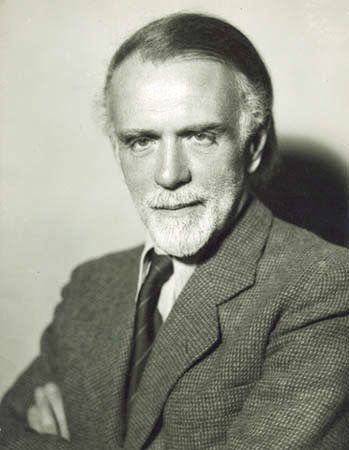
Zoltán Kodály, ethnomusicologist, educationalist and composer.
It’s that final composerly aspect that is the focus of this and next week’s sessions (though his folk music studies are, plainly, very relevant to Kodály output, too).
Two works: the astonishing sonata for solo cello (1915) and his lament for the fate of the Magyar, Psalmus Hungaricus.
Allegro maestoso ma appassionato 00:15
Adagio con gran espressione 09:09
Allegro molto vivace 21:02
Psalmus Hungaricus is a setting of a paraphrase of Psalm 55 by the 16th century poet Mihály Vég. It was commissioned and first performed in 1923 for the fiftieth anniversary celebrations of the coming together of the cities of Buda and Pest. In it, both poet and composer draw a parallel between the sufferings of King David and those of the Hungarian peoples.
(with English translation)
Any copyrighted material on these pages is included as “fair use”, for the purpose of study, and critical analysis only, and will be removed at the request of the copyright owner(s).
 The Art of Listening