
There are parallels between Bartók and Kodály’s careers: both were keen folk music collectors and both were generally acknowledged to be the leading Hungarian musicians of their generation. But, whereas much of Kodály’s focus was on music education, Bartók’s concentration on the writing of concert/chamber music taken together with his unique musical vocabulary, led to him being considered one of the early/mid twentieth century’s most significant composers.
Their early pre-eminence in Hungary led to both Bartók and Kodály being commissioned in 1923 (together with Dohnányi) to write a piece to celebrate the 50th anniversary of the unification of Buda and Pest. We’ve already heard Kodály’s contribution – his Psalmus Hungaricus; Bartók’s was his Dance Suite:
I. Moderato – Ritornell 00:40
II. Allegro molto – Ritornell 04:15
III. Allegro vivace 06:40
IV. Molto tranquillo – Ritornell 09:58
V. Comodo 12:51
VI. Finale. Allegro 13:55 ∙
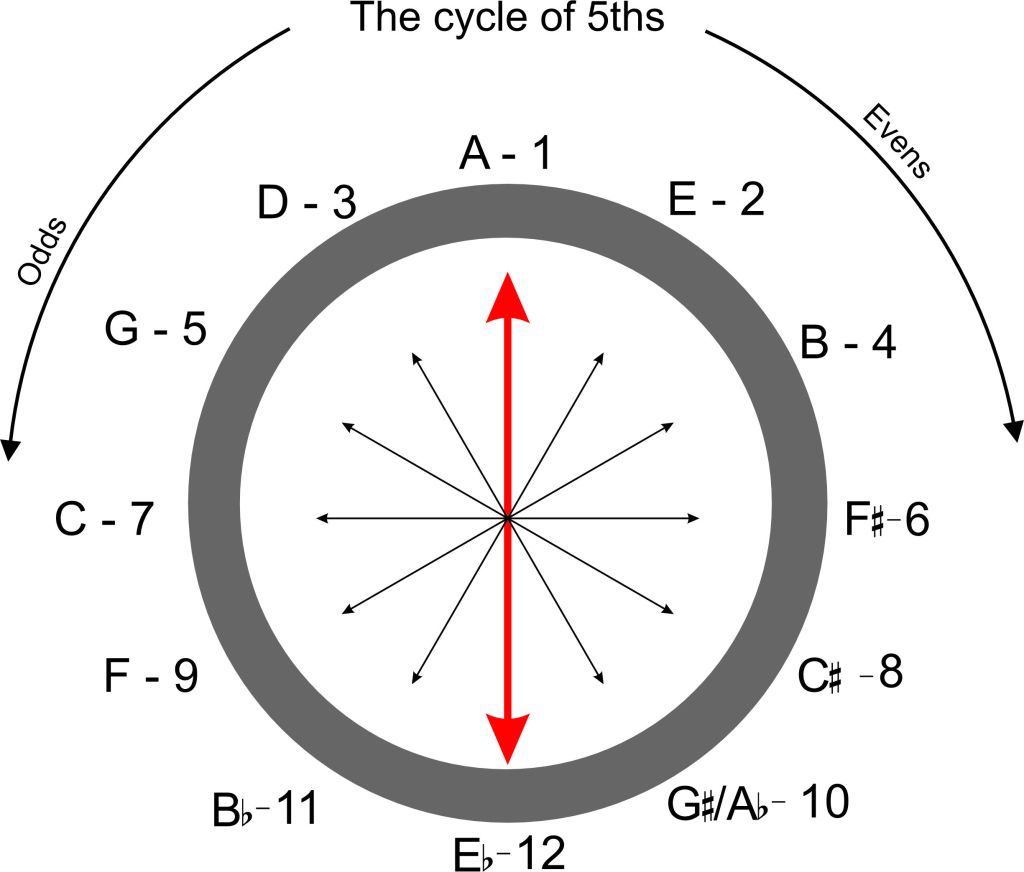
One of the most distinctive features of Bartók’s style is his so-called night music. The composer was interested in entomology, and many commentators connect the sounds and flights of nocturnal insects with the textures and rhythms of the composer’s sound world. A good example of this is the Adagio of the Music for Strings, Percussion & Celesta. Commissioned in 1936 by Paul Sacher for his Basle Chamber Orchestra, the work also features, as its opening movement, a most interesting fugue…
I. Andante tranquillo – 0:05
II. Allegro – 8:41
III. Adagio – 16:45
IV. Allegro molto – 23:31
Any copyrighted material on these pages is included as “fair use”, for the purpose of study, and critical analysis only, and will be removed at the request of the copyright owner(s).
 The Art of Listening