
Two very different composers:

Lili Boulanger died at the age of 24. She had suffered from chronic illness since she was a child and her dark, impassioned music seems to reflect the isolation and despair of long-term sickness.
In 1913, aged nineteen, she was the first woman to win the much coveted Prix de Rome with a setting of that year’s set text – Eugène Adenis’s version of Mephistopheles’ summoning of Helen of Troy for Faust:
Lili Boulanger: Faust et Hélène
Among her last works is this choral/orchestral setting of Psalm 130 – De Profundis (Out of the depths have I cried to you, O Lord).
Lili Boulanger: Psalm 130
Du fond de l’abîme
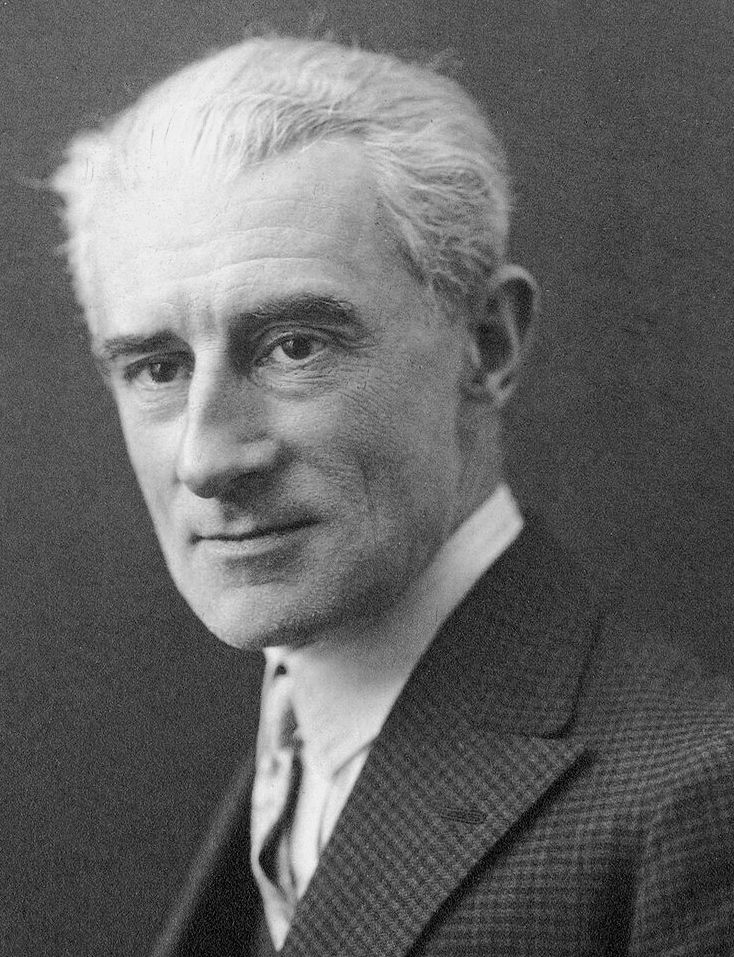
Maurice Ravel unlike Lili Boulanger, despite several attempts, never won the Prix de Rome (his final failure in 1905 resulted in a scandal that rocked the French musical establishment).
He is famous for the precision of his writing – Stravinsky compared him to a Swiss watchmaker – and the brilliance of his orchestration.
His three pieces for piano, Gaspard de la Nuit, based on the poetry of Aloysius Bertrand are notorious for being the most technically challenging in the whole solo piano repertoire; they are also very good music!
Your chance to compare two interpretations of the work by Louis Lortie and Benjamin Grosvenor:
Maurice Ravel: Gaspard de la Nuit
Lortie:
00:00 – Ondine
06:40 – Le Gibet
13:20 – Scarbo
Grosvenor:
22:14 – Ondine
28:41 – Le Gibet
34:10 –Scarbo
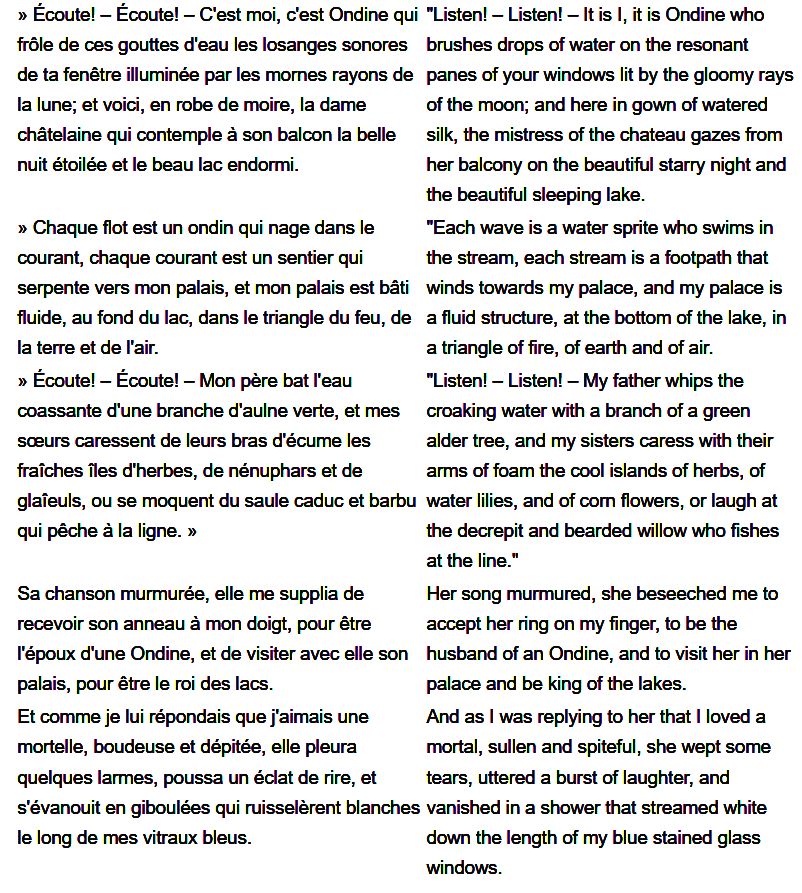
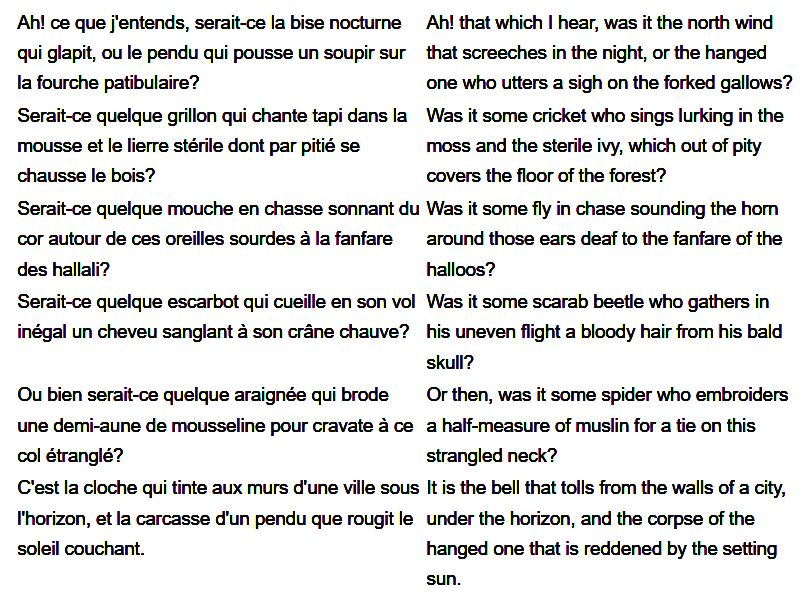
… and here’s the poetry which the music parallels:
Ondine:
Le Gibet:
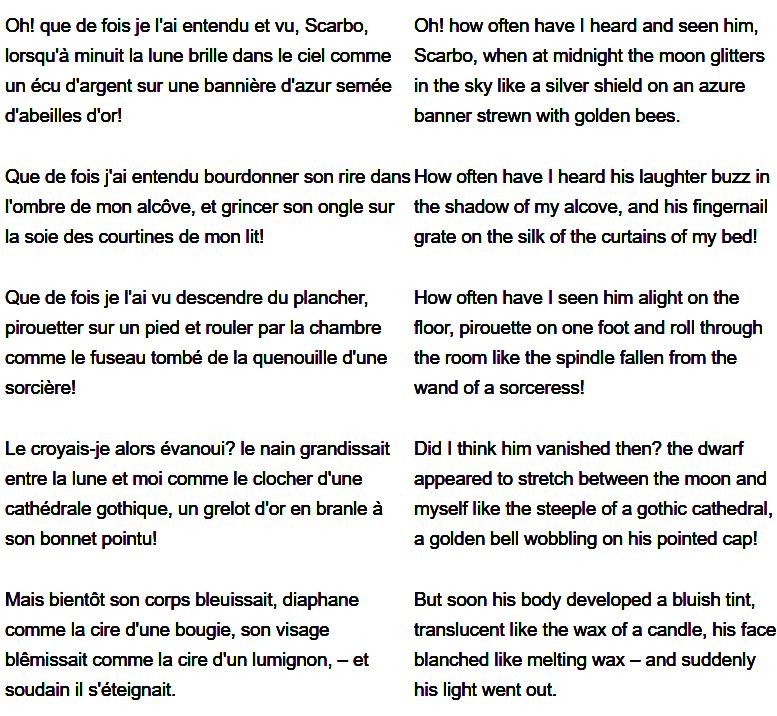
Scarbo:
Any copyrighted material on these pages is included as “fair use”, for the purpose of study, and critical analysis only, and will be removed at the request of the copyright owner(s).
Pontarddulais!
 The Art of Listening