- Musica Ricercata (1953)
- Volumina (1962, revised 1966)
- Lux Aeterna (1966)
- Le Grand Macabre (1977)
- Violin Concerto (1993)
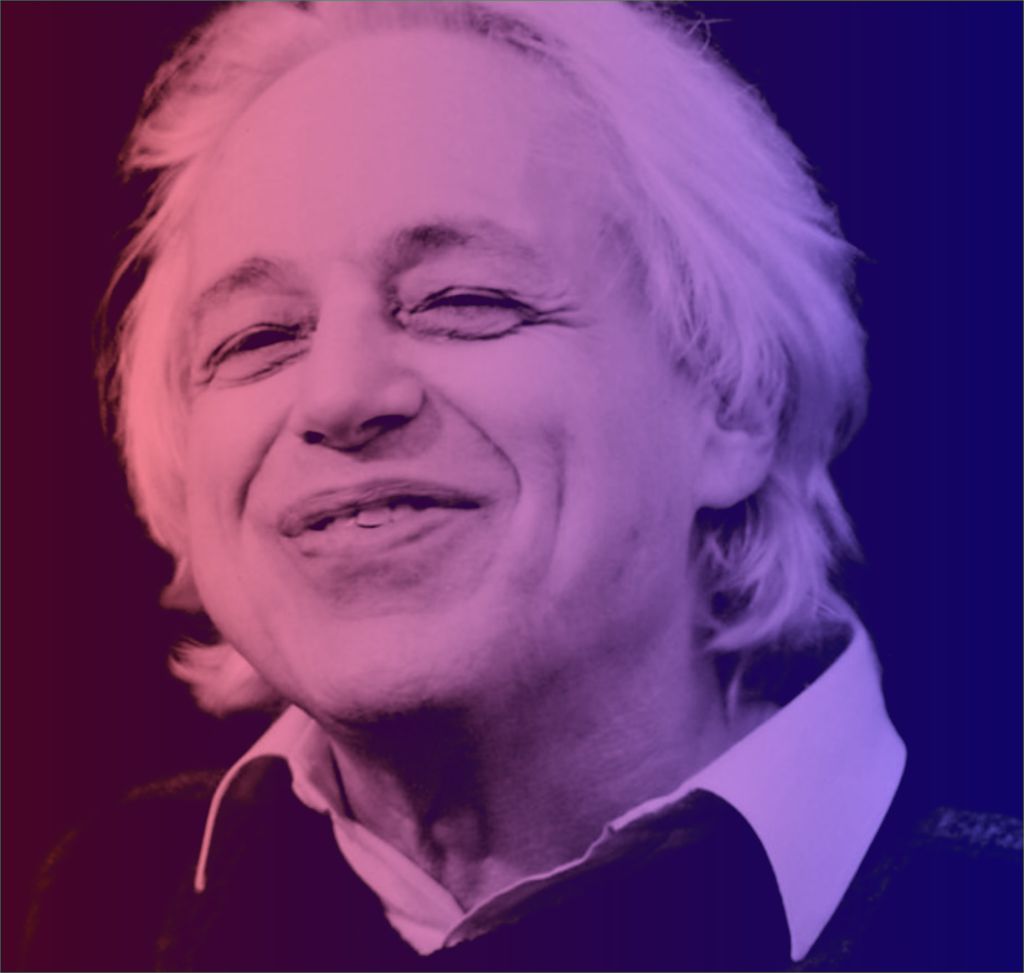
To follow the career of György Ligeti is to explore many of the innovations and fashions of, and in avant-garde music in the second half of the twentieth century. Not that Ligeti was a mere acolyte – he was responsible for many of the new musical (and extra musical) concepts that emerged. Here are some examples:
Musica Ricercata (1953)
Bartók, plus games with twelve notes…
0:00 – I. Sostenuto – Misurato – Prestissimo
2:40 – II. Mesto, rigido e cerimoniale
6:32 – III. Allegro con spirito
7:43 – IV. Tempo di valse (poco vivace – « à l’orgue de Barbarie »)
9:58 – V. Rubato. Lamentoso
13:07 – VI. Allegro molto capriccioso
13:55 – VII. Cantabile, molto legato
17:56 – VIII. Vivace. Energico
19:08 – IX. (Béla Bartók in Memoriam) Adagio. Mesto – Allegro maestoso
21:20 – X. Vivace. Capriccioso
22:42 – XI. (Omaggio a Girolamo Frescobaldi)
Andante misurato e tranquillo
Cluster chords and graphic scores…
Volumina (1962, revised 1966)
Micropolyphony…
Lux Aeterna (1966)
Opera of the absurd…
Le Grand Macabre (1977)
Violin Concerto (1993)
Theatre extends to the concert hall…
I. Praeludium: Vivacissimo luminoso – attacca: [0:00]
II. Aria, Hoquetus, Choral: Andante con moto – attacca [4:03]
III. Intermezzo: Presto fluido [11:38]
IV. Passacaglia: Lento intenso [13:44]
V. Appassionato: Agitato molto [20:50]
Any copyrighted material on these pages is included as “fair use”, for the purpose of study, and critical analysis only, and will be removed at the request of the copyright owner(s).
 The Art of Listening