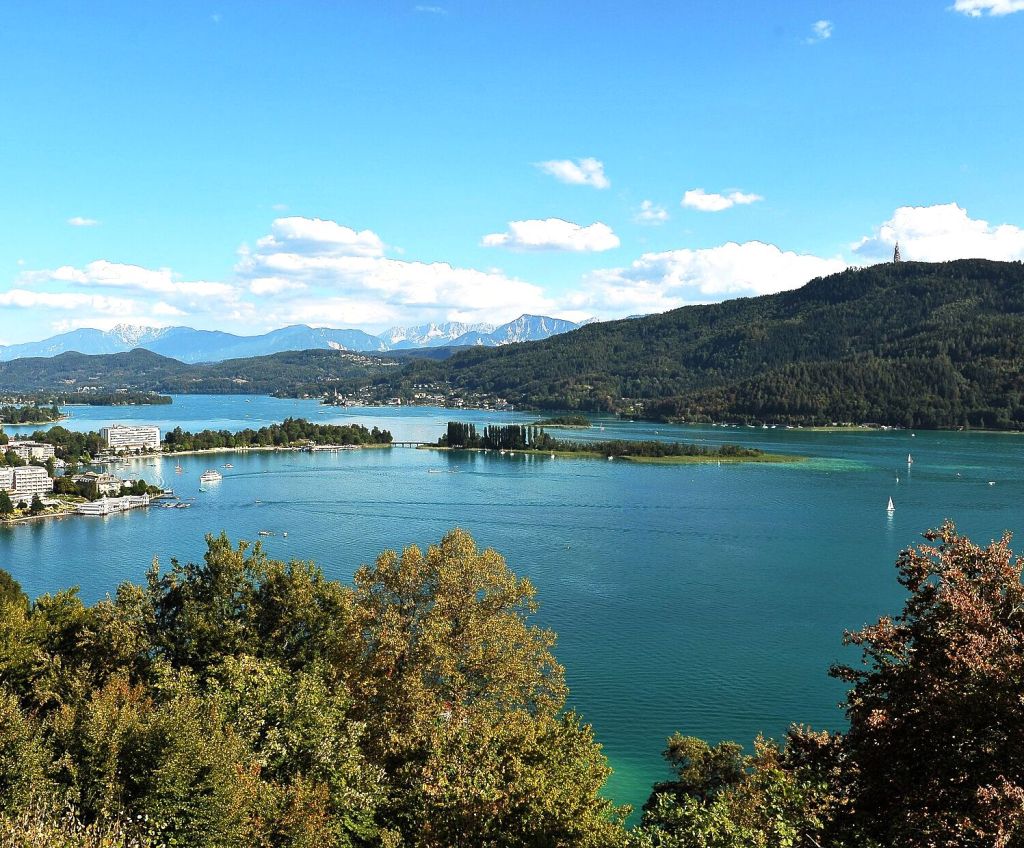
Idyllic, isn’t it?
This is Pörtschach am Wörthersee, the resort in Carinthia to which Johannes Brahms escaped for his Summer holidays.
It was during two such breaks – in 1878 and 79 – that the composer wrote his first violin sonata (Op. 78 in G) – a work known as the Rain Sonata [Regensonate].
Why the name? Well, it’s because much of its material is taken from two songs that share both subject matter (rain!) and musical content from the composer’s Op. 59 set (Regenlied [Rain Song] and Nachklang [Distant Echo]). Regenlied deals with nostalgia for the innocence of childhood, whilst Nachklang draws the parallel between rain- and tear- drops.
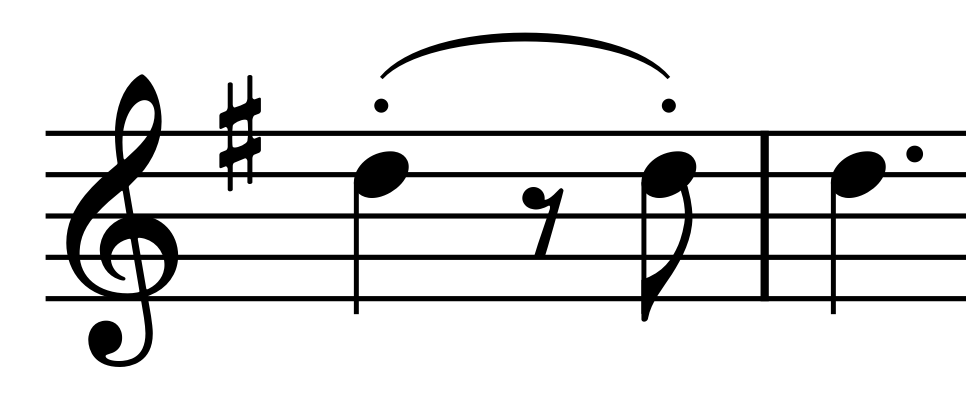
Pay particular attention to the rhythmic ‘raindrop’ motif which starts and dominates both songs throughout, and is also very much to the fore in all three movements of the sonata.
The sonata is cyclic (i.e. themes from one movement appearing in another), with the music of the second movement Adagio making a reappearance in the final rondo.
00:00 Vivace ma non troppo
10:06 Adagio
17:31 Allegro molto moderato
Any copyrighted material on these pages is included as “fair use”, for the purpose of study, and critical analysis only, and will be removed at the request of the copyright owner(s).
 The Art of Listening